
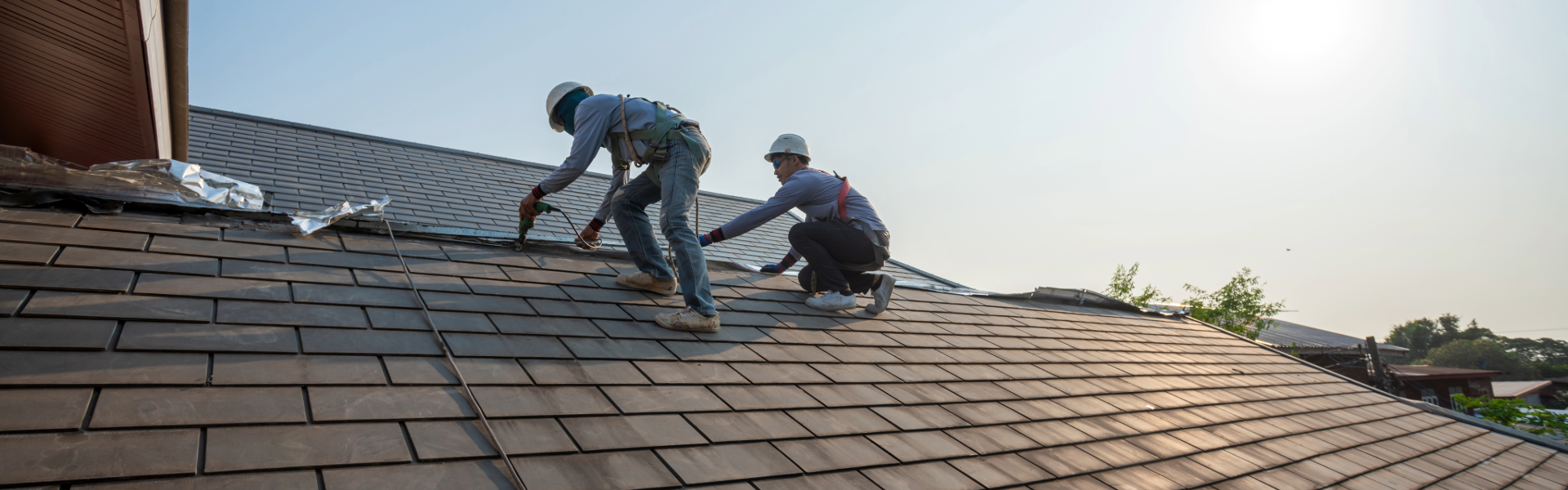

Why Bay Area Roofs Age Faster: Climate Factors Homeowners Should Know
Why Bay Area Roofs Age Faster: Climate Factors Every Homeowner Should Know
Bay Area homes enjoy beautiful weather, but that same climate can be surprisingly hard on roofs. If you have ever wondered why some roofs seem to wear out faster than expected, the answer often comes down to the region’s unique mix of sun, wind, fog, salt air, and sudden temperature swings. Understanding these conditions can help homeowners protect their property and plan for maintenance before small issues become expensive repairs.
The Bay Area Climate Is Mild, But Not Gentle
People often assume a mild coastal climate means less roof damage. In reality, Bay Area roofs age faster because they are exposed to constant environmental stress, just in different forms than homes in snowy or extremely hot regions.

Instead of one major weather event causing damage, roofs here deal with ongoing wear from:
- Intense UV exposure
- Marine moisture and fog
- Coastal wind
- Temperature changes between day and night
- Seasonal rain patterns
- Salt in the air near the coast
Over time, these factors slowly break down shingles, flashing, sealants, and underlayment.

Sun Exposure Breaks Down Roofing Materials
The Bay Area gets plenty of sunshine, especially inland. Roofs exposed to daily UV radiation take a beating, even when the weather feels pleasant.
Ultraviolet rays dry out roofing materials and make them brittle. Asphalt shingles can lose protective oils, crack, curl, or shed granules. Tile roofs may hold up well structurally, but sealants and underlayment can still deteriorate under constant sun exposure.
This kind of damage is often gradual, which makes it easy to miss until leaks or visible wear appear.
Fog and Moisture Create Hidden Problems
Morning fog is part of life in many Bay Area neighborhoods, especially near the coast and in elevated areas. While fog may not seem like a major threat, it introduces repeated moisture that can linger on roof surfaces.
That dampness can contribute to:
- Mold and mildew growth
- Moss and algae buildup
- Slow deterioration of shingles and wood components
- Weakening of roof seals and joints
When moisture sits on a roof for long periods, especially in shaded areas, it speeds up decay. This is one reason roofs in the Bay Area often need more frequent inspection than homeowners expect.
Coastal Salt Air Accelerates Wear
Homes closer to the ocean face an additional challenge: salt air. Tiny salt particles in the air can corrode metal components such as flashing, fasteners, vents, and gutters.
Even small amounts of corrosion can create bigger problems over time. Once metal parts weaken, water can find its way into vulnerable areas. That leads to leaks, rust stains, and premature roof failure.
If your home is in a coastal community, regular maintenance is especially important. Salt exposure may be invisible, but its impact is real.
Wind Lifts, Shifts, and Strains Roof Materials
Bay Area wind patterns vary by location, but many neighborhoods experience strong gusts throughout the year. Wind doesn’t always cause obvious damage right away. Instead, it can slowly loosen roofing materials and expose weak points.
Wind can:
- Lift shingles and break their seal
- Displace flashing
- Push debris onto the roof
- Increase wear around roof edges and ridges
Even minor lift over time can allow water intrusion. Once a roof system starts to loosen, aging happens faster because the structure is more exposed to moisture and weather changes.
Temperature Swings Cause Expansion and Contraction
The Bay Area is known for microclimates. A home can be cool and foggy in the morning, warm in the afternoon, and breezy again by evening. These shifts may seem harmless, but they force roofing materials to expand and contract repeatedly.
That cycle can gradually weaken:
- Shingles
- Tiles
- Sealants
- Caulking
- Roof decking joints
When materials expand and contract every day, cracks and gaps become more likely. This is especially true in older roofs or roofs that were not installed with climate conditions in mind.
Seasonal Rains Expose Weak Spots
The region’s rainy season may not be extreme, but it is enough to reveal roof problems that have been building all year. A roof that has endured months of sun, fog, and wind may seem fine until the first heavy storm uncovers leaks or drainage issues.
Rain also tests the roof’s ability to move water away efficiently. Clogged gutters, cracked flashing, and aging sealant can all turn a small issue into a costly repair.
How Homeowners Can Slow Roof Aging
While you cannot change the Bay Area climate, you can reduce its impact on your roof.
Smart maintenance habits include:
- Scheduling roof inspections at least once a year
- Checking for loose shingles, cracked tiles, or damaged flashing
- Cleaning gutters and roof valleys regularly
- Removing moss, leaves, and debris
- Replacing worn sealants and caulking
- Trimming back overhanging branches to reduce shade and debris
These simple steps help extend roof life and catch problems early.
Know When It’s Time for a Professional Inspection
Because roof wear in the Bay Area is often slow and subtle, many homeowners do not realize there is an issue until water damage becomes visible inside the home. By then, repairs may be more extensive.
If your roof is older, has been through several wet seasons, or shows signs of weathering, a professional inspection can provide peace of mind. An experienced roofer can spot early warning signs that are easy to miss from the ground.
Protect Your Roof Before the Climate Wins
The Bay Area’s weather may be famous for being comfortable, but it can be tough on roofing systems. Sun, fog, salt air, wind, and temperature swings all work together to shorten roof lifespan. That is why Bay Area roofs age faster than many homeowners expect.
With regular maintenance and timely inspections, you can help your roof withstand the climate and avoid surprise repairs. In a region with so many microclimates, staying proactive is one of the best ways to protect your home.