
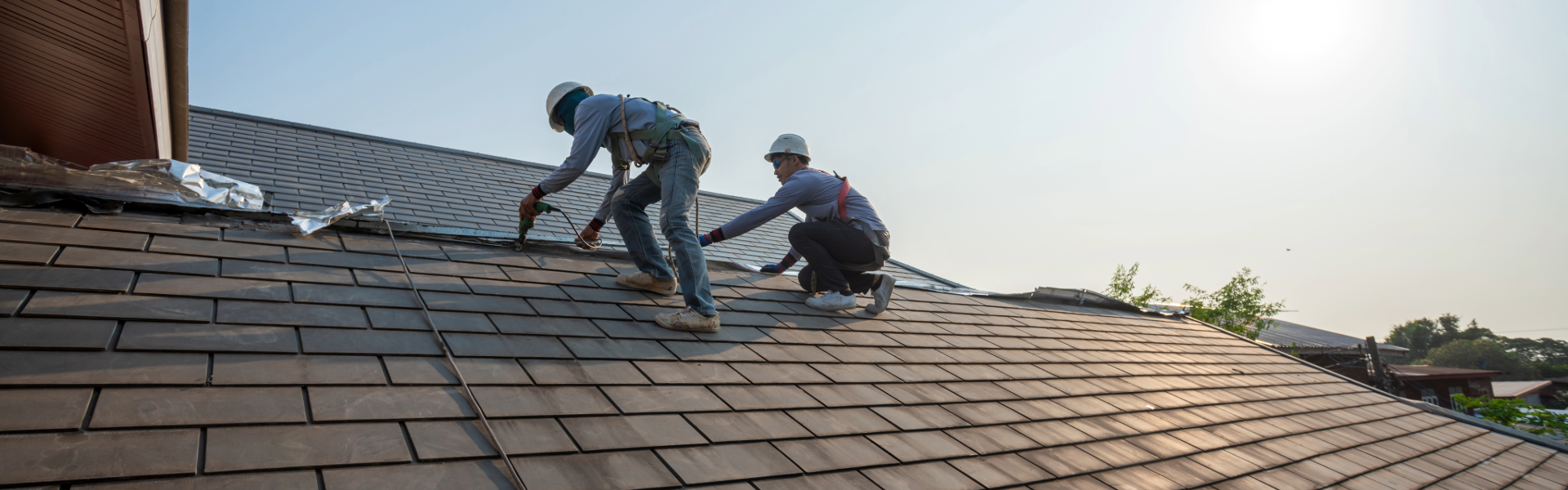

Top Roofing Issues San Jose Homeowners Face and How to Fix Them
Top Roofing Issues San Jose Homeowners Face and How to Fix Them
San Jose homes enjoy a mild climate most of the year, but that does not mean roofs stay trouble-free. Sun exposure, seasonal rain, aging materials, and hidden wear can all lead to expensive problems if left unchecked. Understanding the top roofing issues San Jose homeowners face can help you spot damage early and take the right steps before small concerns turn into major repairs.
1. Roof Leaks After Rain
Even light winter storms can reveal weak points in a roof. Leaks often start around flashing, vents, chimneys, skylights, or damaged shingles. In many cases, the leak is not directly above where water appears inside the house, which makes the issue harder to identify.

How to fix it
- Inspect the attic for damp insulation, stains, or mold.
- Check flashing around roof openings for gaps or rust.
- Replace cracked, curled, or missing shingles.
- Seal minor problem areas with roofing-grade caulk or flashing repair materials.
- Call a professional if the leak is recurring or hard to locate.
A prompt repair can prevent ceiling damage, wood rot, and mold growth.
2. Sun and Heat Damage
San Jose’s warm, sunny weather can take a toll on roofing materials over time. Constant UV exposure dries out shingles, causes them to crack, and weakens protective layers. Flat roofs may also blister or lose elasticity in hot conditions.

How to fix it
- Schedule regular inspections to catch early signs of aging.
- Replace brittle or warped shingles before they fail.
- Consider reflective roofing materials that handle heat better.
- Improve attic ventilation to reduce heat buildup underneath the roof.
Heat damage often develops slowly, so routine maintenance is the best defense.
3. Damaged or Missing Shingles
Strong winds, age, and poor installation can all cause shingles to loosen or fall off. Once shingles are missing, the underlayment is exposed to moisture and sun, increasing the risk of leaks and further deterioration.
How to fix it
- Look for shingles that are curled, cracked, or lifting at the edges.
- Replace individual damaged shingles as soon as possible.
- Check for granules collecting in gutters, which can signal shingle wear.
- If damage is widespread, a partial or full roof replacement may be more cost-effective.
Keeping shingles in good shape is one of the simplest ways to extend the life of a roof.
4. Clogged Gutters and Poor Drainage
When gutters fill with leaves, debris, or dirt, water can back up onto the roofline. This may lead to rotting fascia, damaged siding, leaks near the eaves, and even foundation issues if water is not directed away from the home.
How to fix it
- Clean gutters at least twice a year, especially in fall and spring.
- Install gutter guards to reduce buildup.
- Make sure downspouts direct water far enough from the foundation.
- Check for sagging or disconnected gutter sections.
Good drainage protects both the roof and the rest of the home.
5. Flashing Problems
Flashing is the thin metal material used to seal roof joints and transitions. It is a common source of leaks because it can loosen, rust, or separate from surrounding materials over time. Flashing issues are especially common around chimneys, skylights, vents, and roof valleys.
How to fix it
- Inspect flashing for gaps, corrosion, or bent sections.
- Re-seal small openings with roofing sealant.
- Replace severely damaged flashing pieces.
- Have a roofer check areas where multiple roof planes meet.
Properly installed flashing is essential for keeping water out of vulnerable areas.
6. Moss, Algae, and Debris Buildup
While San Jose is not as wet as some regions, shaded roofs can still develop moss or algae growth. Leaves, branches, and dirt can also collect on the roof, trapping moisture and weakening roofing materials.
How to fix it
- Trim overhanging branches to reduce shade and debris.
- Remove leaves and twigs from the roof surface.
- Use a gentle roof-safe cleaning solution for algae stains.
- Avoid pressure washing, which can damage shingles.
Keeping the roof clean helps it dry faster and last longer.
7. Aging Roof Materials
Every roof has a lifespan. As materials age, they become more prone to cracking, leaking, and general wear. Older roofs may also fail to meet current performance standards, especially if they have already undergone several repairs.
How to fix it
- Track the age of your roof and its last major service.
- Watch for widespread curling, cracking, or sagging.
- Compare the cost of repeated repairs with replacement.
- Plan ahead rather than waiting for an emergency.
An aging roof is often best handled with a long-term replacement strategy.
Stay Ahead of Roof Problems
The most common roofing issues in San Jose often start small, but they can become serious if ignored. Regular inspections, clean gutters, prompt repairs, and attention to weather-related wear can help homeowners avoid bigger expenses later. By watching for early warning signs and addressing damage quickly, you can keep your roof stronger, safer, and ready for every season.